
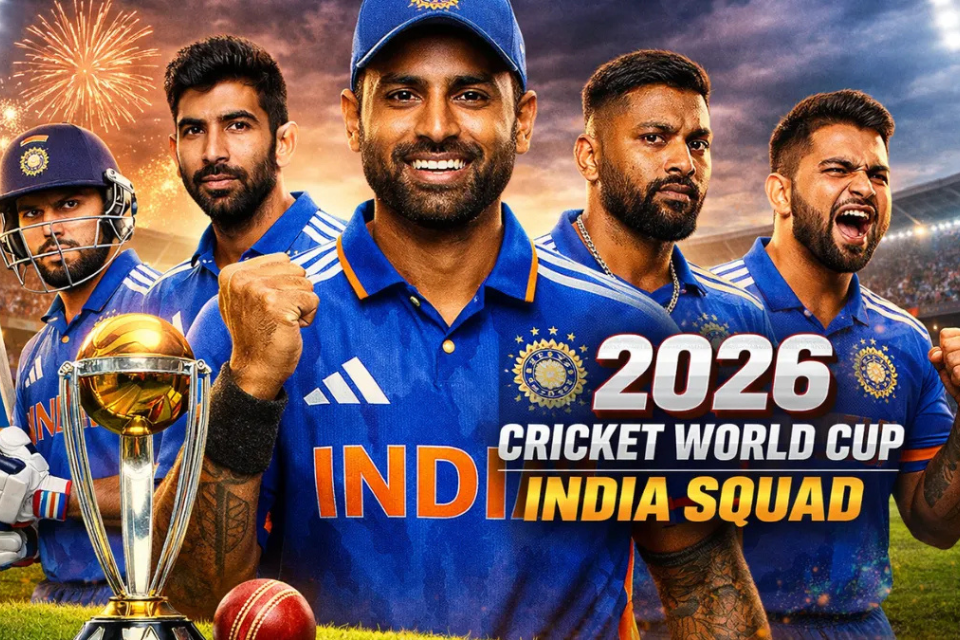
Why India Remains the Global Epicenter of Cricket.
By 2026, the India national cricket team has solidified its position not just as a sporting powerhouse, but as the primary economic and structural engine of global cricket.
India’s influence extends far beyond match-day viewership; it dictates international scheduling, media rights valuations, and the technological standards of digital sports platforms.
India’s participation directly influences ICC scheduling decisions and how international broadcast rights are valued.
Core Strength Analysis: From Star Power to Systematic Stability
As the team enters the 2026 season, India’s selection philosophy has evolved from a reliance on individual brilliance to a system-based balance. The management has successfully bridged the gap between veteran experience and the high-output consistency of the next generation.v
🌟 Virat Kohli: The Tactical Anchor
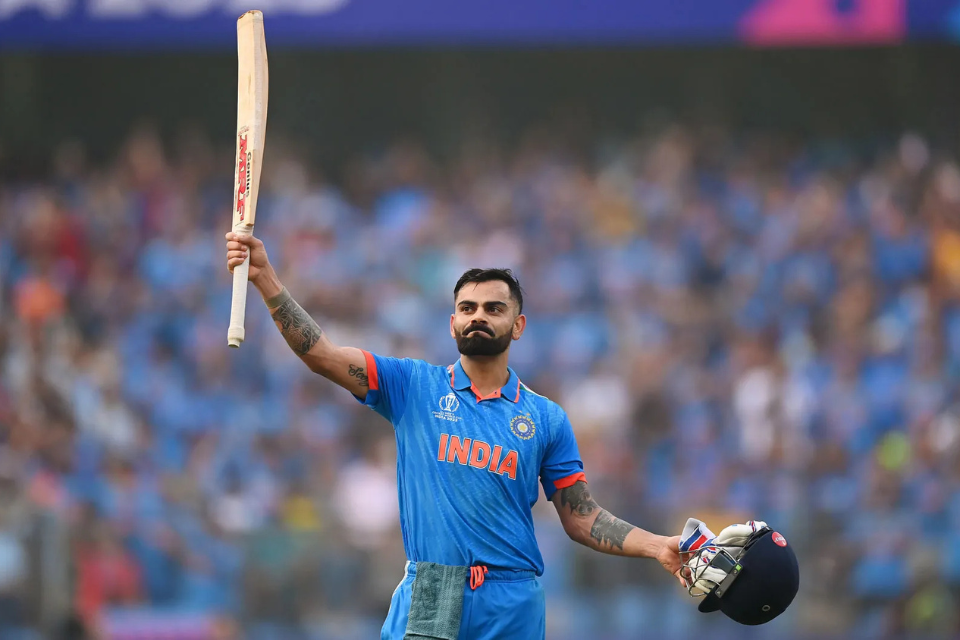
In 2026, Kohli’s role has transitioned into that of a “Tactical Anchor.” While his scoring rate may be more calculated than in his early years, his psychological resilience in high-pressure ICC fixtures remains unmatched. His elite running between the wickets and ability to control the game’s tempo provide a stabilizing force for a younger, more aggressive batting lineup.
🌟 Rohit Sharma: The Strategic Mastermind
Rohit’s value in 2026 lies in his “Strategic Clarity.” As an on-field leader, his ability to manage complex bowling rotations and mentor debutants under pressure makes him indispensable. He operates less as a traditional power-hitter and more as a grandmaster, adjusting tactical fields and match tempos ball-by-ball.
🌟 Jasprit Bumrah: The Defensive Benchmark
Bumrah remains India’s “Safety Net.” Statistical models in 2026 continue to rank him at the top for execution in the death overs. His presence allows the rest of the bowling unit to attack with more freedom, knowing that the most difficult phases of the game are anchored by the world’s most dependable fast bowler.
🌟 Shubman Gill: The Technical Foundation
By 2026, Gill has fully matured into the team’s “Technical Ceiling.” With a classical approach that excels across all formats, he is the foundational figure around whom India’s future batting orders are built. He represents the perfect blend of traditional technique and modern-day scoring efficiency.
Governance: The BCCI’s Data-Driven Revolution
The sustained dominance of Indian cricket is no accident; it is the result of the BCCI’s transition toward a highly structured, corporate-governance model.
Precision Selection through Advanced Metrics
In 2026, selection is no longer based solely on aggregate scores. The BCCI’s analytics wing now prioritizes Contextual Performance Data:
- High-Pressure Coefficients: Tracking player success rates against 145km/h+ pace or on extreme spin-friendly tracks.
- Workload Optimization: Using wearable biometric data to mandate rotations, ensuring peak fitness for major tournaments rather than reacting to injuries.
Global Alignment and Professionalism
India’s administrative frameworks are now more closely aligned with ICC international standards than ever before. Enhanced contract clarity and a focus on long-term player welfare have set a new global benchmark for how a national sporting body should operate in a congested international calendar.
The Digital Ecosystem: Safety, Compliance, and Transparency
Parallel to on-field performance, the regulatory environment surrounding Indian cricket has become more robust, ensuring a safer experience for millions of digital followers.
- Identity Verification (KYC) & Security: Regulatory authorities now mandate strict verification for digital sports services.
Platforms like vijaybsport adhere to these transparency requirements, ensuring that fans accessing statistics and analysis do so within a secure and compliant digital environment. - Responsible Communication Standards: There is a growing shift toward “Analytical Insights” over “Speculative Predictions.” By 2026, this has fostered a more informed fan base that values data-backed reporting and long-term performance trends.
FAQ
Q1: What makes the india national cricket team so influential in 2026?
Its ability to drive global viewership and commercial value is unmatched. India contributes the largest share of global cricket revenue, making it the primary stakeholder in the game’s financial health and international scheduling.
Q2: How does the “System-Based Approach” define the 2026 team?
It moves away from over-reliance on individual stars. The focus is on squad depth, data-backed rotation, and workload management, ensuring the team remains competitive across all three formats despite a congested calendar.
Q3: Do government regulations impact match results or selection?
No. Indian authorities do not interfere with on-field results or team selection. Regulations are strictly focused on the digital and commercial sectors, ensuring transparency in advertising, data security, and KYC compliance for sports platforms.
Q4: How is technology changing Indian cricket selection in 2026?
The BCCI now utilizes advanced Contextual Performance Metrics. Rather than looking at raw averages, selectors analyze “High-Pressure Coefficients”—how a player performs against specific bowling speeds or in critical match situations under extreme weather conditions.
Q5: What is the role of the “Next Generation” players in 2026?
Players like Shubman Gill have transitioned from “talented youngsters” to the team’s core. The 2026 strategy integrates these players alongside veterans to ensure a seamless transition of leadership and tactical consistency.
Final Outlook
By 2026, the India national cricket team represents a mature, world-class system built on a foundation of rigorous governance and sustained performance. Its leadership in the sport is maintained not just through talent, but through a sophisticated integration of data science, strategic leadership, and a compliant digital ecosystem.
In this environment, platforms such as vijaybsport play a supporting role by organising public data, regulatory context, and performance analysis into clear, reliable insights for modern cricket followers.