
BCCI’s Sudden Captain Change Sends Shockwaves Through Indian Cricket
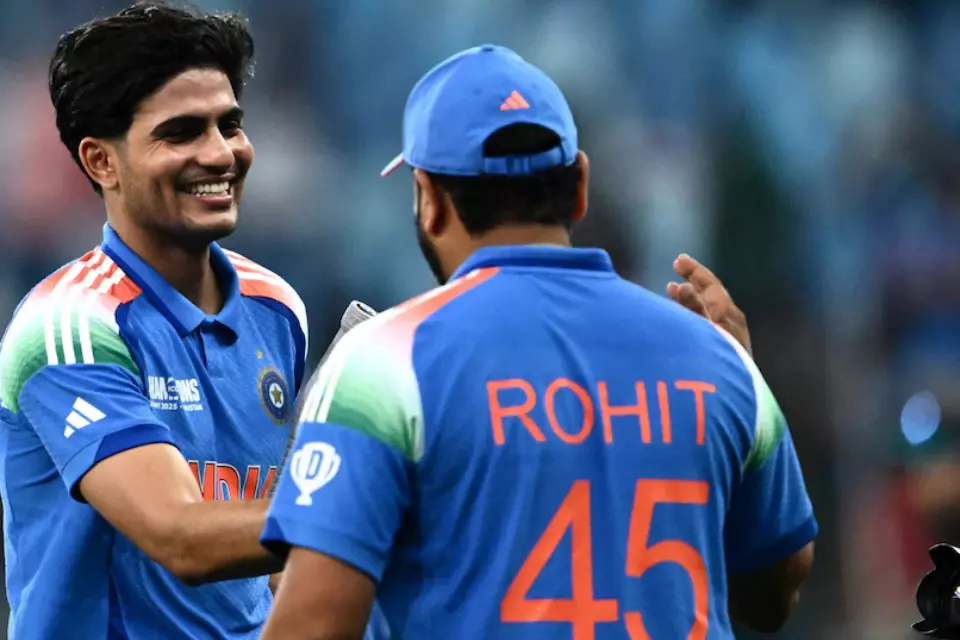
If you opened your news feed on October 4, you probably saw this headline all over: BCCI (Board of Control for Cricket in India) has decided to make a bold move—Shubman Gill will be India’s new ODI captain, replacing the seasoned Rohit Sharma. For fans of Indian Cricket, this isn’t just a leadership tweak—it’s a seismic shift.
At Vijay Sports, we’ve watched this story unfold in real time. Rohit stepped down from T20 and Test formats earlier, but fans expected he might still lead in ODI. Yet, BCCI chose to pull the switch now—right after Rohit delivered yet another big win. People are asking: Why now?
Rohit Sharma’s Leadership Was One of India’s Golden Eras
To understand why fans are upset, you have to look at Rohit’s ODI captaincy run. He led India in 16 ICC events and won 15 of them—an almost unblemished record. He also lifted the Champions Trophy recently, showing he was still winning at the top level.
What made Rohit special wasn’t just the trophies—it was how he led. He trusted his players, backed bold shots, and built a team culture that allowed stars to shine. Vijay Sports often highlights how Rohit’s calm confidence lifted younger players.
So when Mohammad Kaif, former India cricketer, publicly questioned the BCCI’s timing—saying, “Rohit gave 16 years, but we couldn’t give him one more full year of captaincy”—fans felt the sting of truth behind those words.
Kaif’s Criticism Echoes What Many Fans Are Thinking
In India, Cricket is emotional. It’s about pride, legacy, and identity. When Kaif criticized BCCI’s decision, he hit a nerve. He called out the board for stripping Rohit’s captaincy right after his success, suggesting it was disrespectful.
He said, “He retired after winning tournaments to let younger players get opportunities—but we still took away his captaincy just then. Why can’t we give him one more year?”
On Vijay Sports’ coverage, comment threads exploded with fans echoing Kaif’s sentiment—many saying that the “suddenness” of the decision felt unfair to someone who gave so much to Indian cricket.
Timing Was Off Even If the Change Itself Was Justifiable
From a strategic view, BCCI’s push to groom new leaders isn’t wrong. Shubman Gill is young, talented, and already showing signs of captaincy flair. It would be logical to plan for the future.
However, Vijay Sports emphasizes that timing matters. Replacing Rohit right after a high note—winning a big trophy—reads like a tactic of “power reset.”
Many analysts say that leadership changes ideally happen gradually, with the outgoing captain mentoring the incoming one. That approach preserves respect, morale, and team balance. But here, the transition feels abrupt, which risks unsettling the dressing room.
Gill’s Turn: Young Leader, Big Expectations
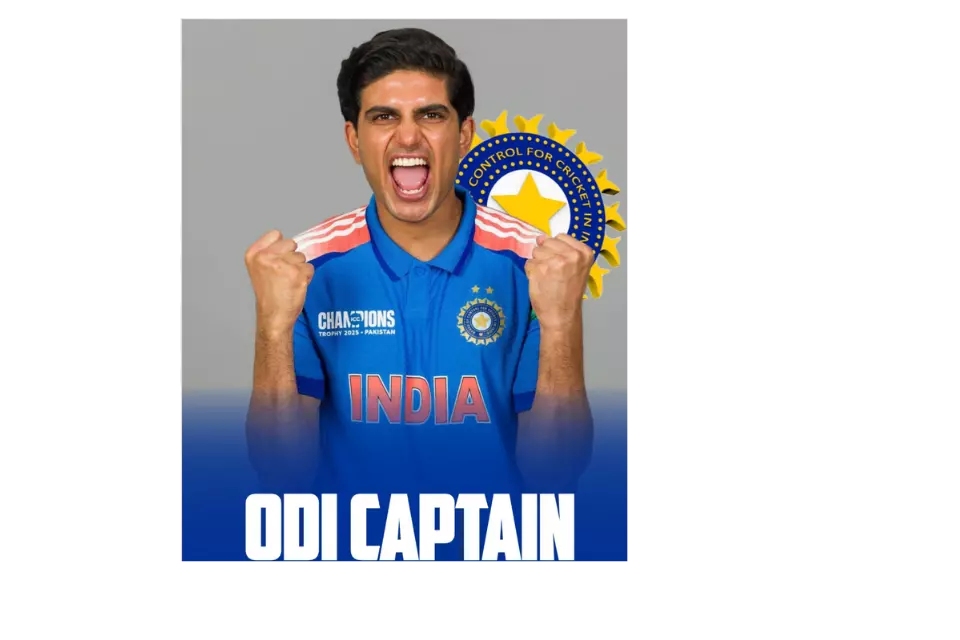
With Shubman Gill now officially leading the ODI side, India’s white-ball future officially begins a new chapter. At just 26, Gill already shows maturity, composure under pressure, and strong tactical sense.
Yet the real test starts now. Vijay Sports notes that while talent got him this far, leadership will demand more—managing veterans, keeping young energy in check, and delivering results. The looming 2027 World Cup will likely define his captaincy legacy.
Gill has to walk a fine line: bring fresh ideas without alienating senior players, and win without losing the team’s heart.
What This Means for Rohit Sharma’s ODI Future
Although Rohit has officially stepped away from T20 and Test cricket, his ODI journey isn’t fully over—at least not yet. Reports within Vijay Sports’ network suggest he might continue as a senior batter or mentor, supporting Gill behind the scenes.
This kind of arrangement—“player-plus-advisor”—could be ideal. It maintains continuity, respects Rohit’s legacy, and gives Gill space to grow. If done right, it can become a model of graceful transition rather than abrupt removal.
How BCCI Can Do Better “Captain Transitions”
Over the years, every time BCCI has changed captains—whether Dhoni, Kohli, or Rohit—it has stirred controversy. That’s because fans expect more than results. They want respect, clarity, and legacy.
Vijay Sports argues that BCCI’s lack of transparent communication amplifies backlash. Cricketers aren’t just athletes—they’re icons. Boards owe fans and players clarity about big moves. Announcing leadership changes in the dark inevitably breeds speculation, hurt feelings, and anger.
If BCCI had better prepared fans and players—explaining why, how, and when the change would come—the reaction might have been calmer.
Vijay Sports’ Big Picture Take: Respect and Progress Must Coexist
Cricket doesn’t stand still. New athletes bring energy, techniques evolve, and the game speeds up. So yes—transitioning to the next generation is necessary.
But per Vijay Sports, transitions must honor the past while building the future.
If Shubman Gill can lead successfully and unify the squad, this change will go down as visionary.
But if the team stumbles, critics will say BCCI sacrificed stability in a gamble.
Either way, Indian fans are in for another emotional chapter—only cricket in India can stir such passion.
A Great Era Ends, A New One Begins
Rohit Sharma’s captaincy era is over—but his imprint on Indian Cricket is permanent. He brought a blend of calm leadership, attacking style, and respect that many still look up to.
Now, Shubman Gill steps in to carry that torch, shaping a new path forward.
As Vijay Sports often reminds its readers: “Cricket doesn’t belong to any single person—it belongs to the fans, to the nation, to the legacy.”
No matter who wears the captain’s armband, as long as the blue jersey walks onto the field, India’s cricket story goes on—passionate, unpredictable, and eternally beloved.